Meal timing
The Best Time to Eat Your First Meal
How wake time, sleep time, hunger, caffeine, hydration, and daily demands shape the best first meal window.
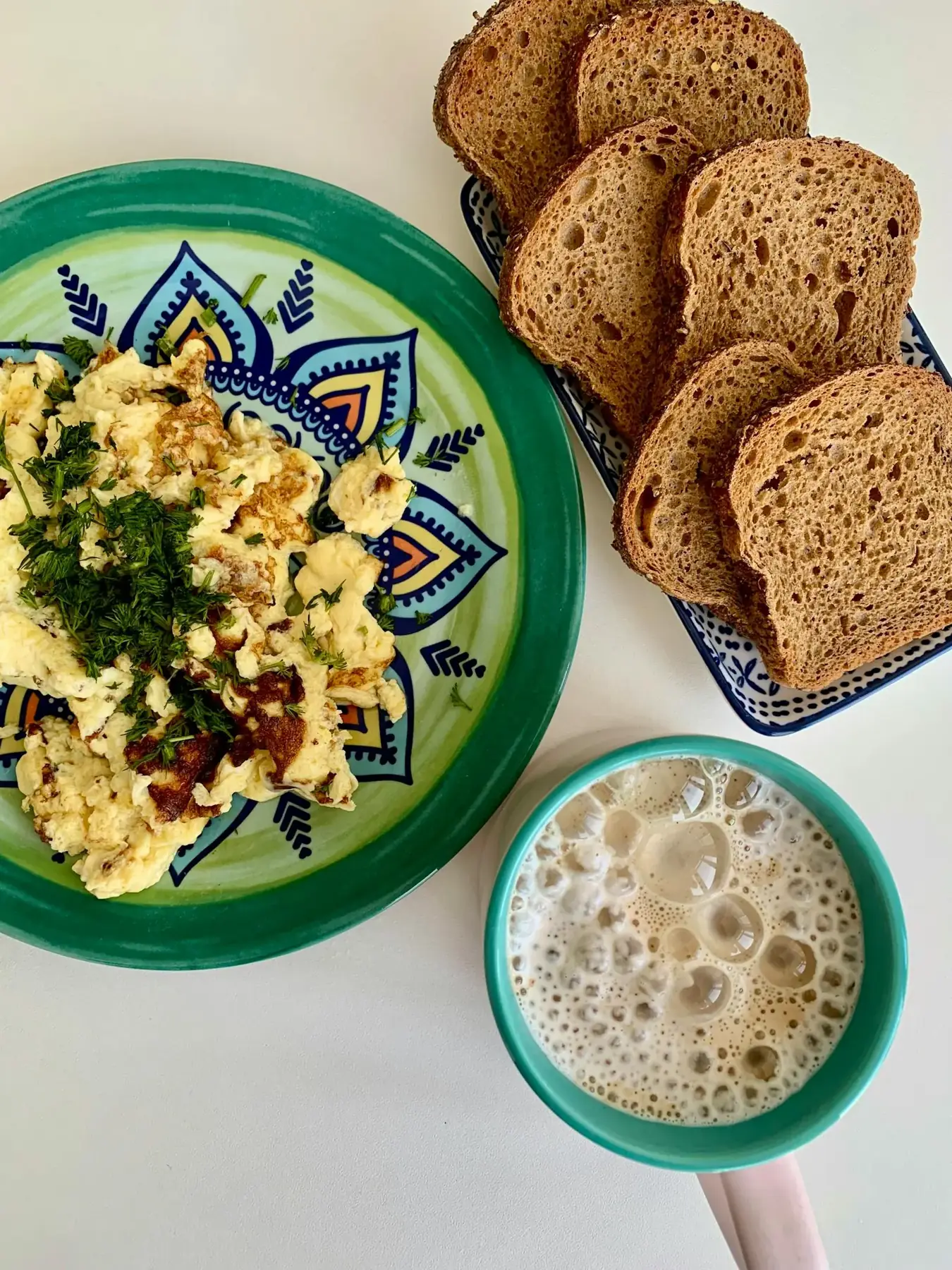
There is no universal first meal time
The best time to eat your first meal depends on the person and the day. Wake time, sleep time, hunger, training, work demands, caffeine habits, and previous evening intake all matter. A universal rule can be easy to market, but it is not always useful. Someone waking at 5:30 AM for a physical job has different needs than someone waking at 8:30 AM for desk work. MetClock uses first meal timing as a flexible anchor rather than a rigid command.
Wake time starts the calculation
Wake time is one of the most important inputs because it defines the beginning of the active day. The first question is not simply, “Should I eat breakfast?” It is, “What does this person need in the first few hours after waking?” Some people do better with hydration, light movement, and a delayed first meal. Others feel unstable if they wait too long. A timing protocol should respect the body signals and the schedule. MetClock starts with wake time, then builds the first intake window around the rest of the day.
Sleep time changes the answer
Sleep rhythm matters because the first meal is connected to the night before. A late dinner, poor sleep, or heavy evening snacking can change morning hunger. If a person is not hungry on waking, that may be useful information. If they are extremely hungry early, that may also be useful. MetClock does not frame hunger as a moral issue. It reads hunger as a signal that can help shape the protocol.
Hydration should not be skipped
Before debating the perfect breakfast, many people need a hydration anchor. Morning dehydration, caffeine first, and rushing into the day can make appetite and energy harder to read. Hydration does not have to be complicated. It simply needs to be placed. MetClock can include early hydration signals so the first meal decision is not made from a depleted baseline.
Caffeine can mask timing signals
Caffeine is useful for many people, but it can blur hunger and energy signals when it becomes the first and only morning strategy. A protocol may place caffeine after hydration, near food, or inside a defined window. It may also set a cutoff time to protect sleep. The point is not to demonize coffee. The point is to use it intelligently inside the rhythm.
The first intake should support the next block
A good first meal is not just about the clock. It should support the next several hours. For many people, that means enough protein, practical carbohydrates or fiber, and a portion that fits the day. If the first intake is too random, lunch and the afternoon often become reactive. MetClock uses the first meal as one of several daily anchors that turn a schedule into a protocol.
How to choose a first meal window responsibly
A responsible first meal window starts with the user’s real wake time and the demands that follow. If the morning includes physical work, training, long meetings, or a commute, the protocol may need earlier structure. If hunger is low and the schedule is calm, the first meal may be later, but hydration should still be placed. MetClock does not assume that breakfast is always required or always optional. It uses the intake to determine what the first intake needs to accomplish.
The goal is not to win an argument about breakfast. The goal is to protect the rest of the day. If the first meal strategy leads to reactive snacking, heavy evening eating, or caffeine dependence, the protocol should change. If it supports stable decisions, it is working.
MetClock is not medical advice. It is a lifestyle timing system. Consult a qualified professional before making major dietary, exercise, or health changes.